
Posts and pads
Where a post meets the ground there is a pad. If the pad has cracked or tilted, or the post has rotted at its foot, the fix is a new post on a new pad, set where the framing needs holding up.
Typical cost in Seattle
A soft or sagging floor is a symptom, and the cause sits below it. Seattle Top Foundation Repair crawls under the house to see which pad, post, girder, joist or sill plate has failed, and recommends nothing until that is known.
Seattle, Bryn Mawr-Skyway and White Center are covered. Floors in older houses sit on wood with decades behind it: Seattle’s median house dates from 1976 and 38 percent of homes predate 1960.
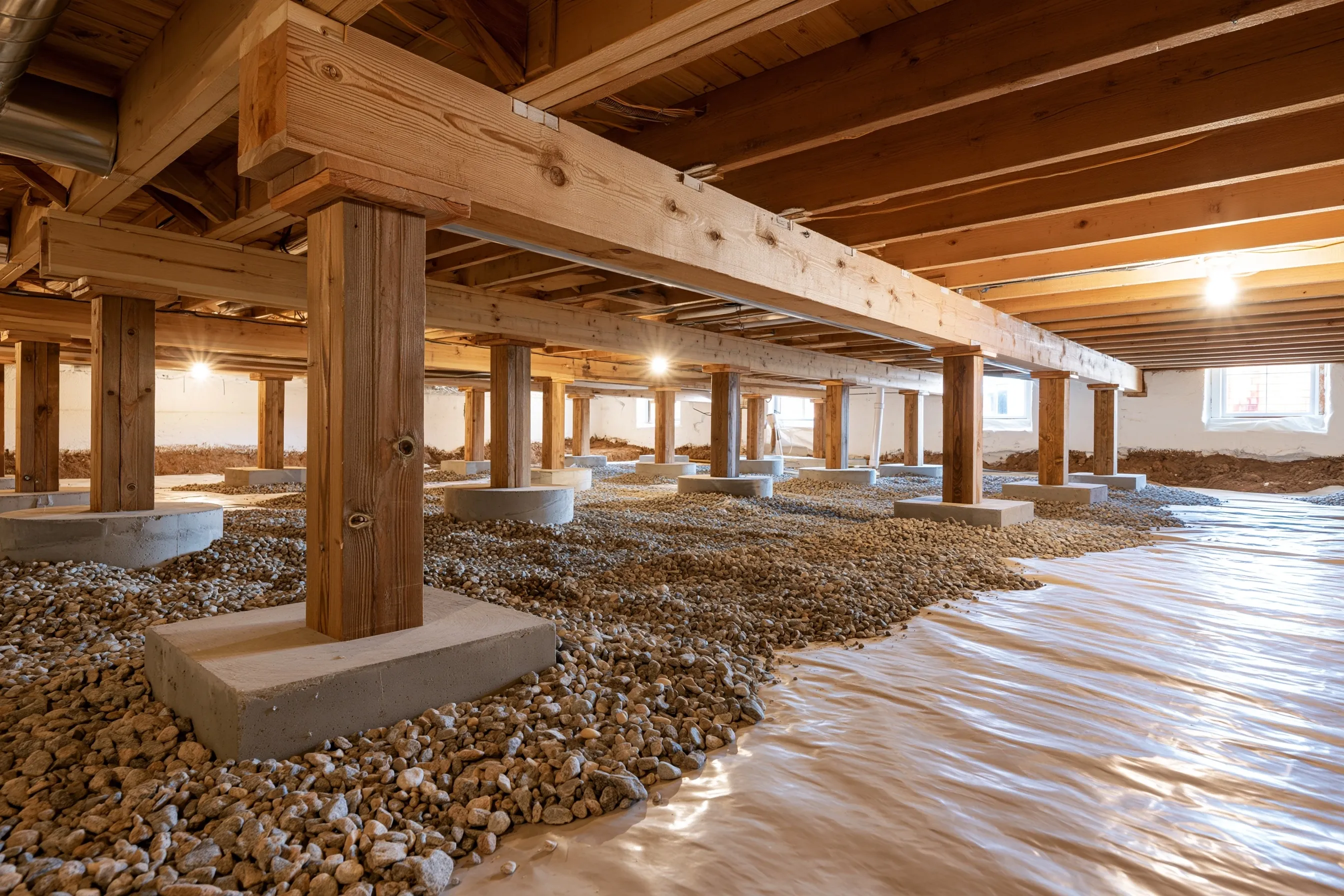
Where a post meets the ground there is a pad. If the pad has cracked or tilted, or the post has rotted at its foot, the fix is a new post on a new pad, set where the framing needs holding up.
The girder is the main beam, joists span between girders and the floor sits on the joists. A dip upstairs shows a problem somewhere in that chain. Whether to replace or simply support depends on whether the timber is sound.
The timber lying on the foundation wall, which the wall framing sits on, is the sill plate. Prolonged damp rots wood, so a wet sill may need work; the crawlspace shows what.
Warning signs above: a hallway that dips, a floor that springs, a table that rocks, a door frame out of square. Warning signs below: a leaning post, a bowed girder, a post that no longer meets its beam.
Several causes can produce the same dip: a post that failed, a pad whose soil moved, or a settled foundation (the subject of foundation settlement and piering). Finding out which comes first.
Following the load downward: floor, joists, girders, posts, pads, soil. The sill plate is separate, lying along the foundation wall under the wall framing.
A USDA Forest Service decay control manual reports that damp wood is colonized by fungi, which rot it and lower its strength. The practical upshot for a house: locate the damp wood first, then decide what actually needs replacing.
Building America guidance says a crawlspace needs a sealed ground cover, vented or not. It also says bulk water (poor grading, no perimeter drain, gutter trouble) dominates the moisture in vented crawlspaces.
A sealed cover manages moisture. It will not drain standing water; for that, foundation drainage traces where the water comes from.
SDCI says any work on load-bearing supports needs a permit, however small the project. Posts and girders carry the floor, so ask SDCI how this applies before one is replaced. Its $6,000 limit on permit-free minor repairs in any six months, and its list of other permit-free jobs, are both stated to apply unless the site is in an ECA.
Among jobs that usually need no permit, SDCI lists limited in-kind repair or similar replacement of deteriorated parts of a structure. Which side of that line a particular post or beam falls on is a question to put to SDCI.
Headroom, wetness and the size of the entrance all shape a crawlspace job, so we check them before setting the scope.
New supports go where the plan puts them, taking load in small increments. Framing and finishes above may resist, so no promise is made that a sloping floor will return to level.
Price depends on what is under the house. The drivers:
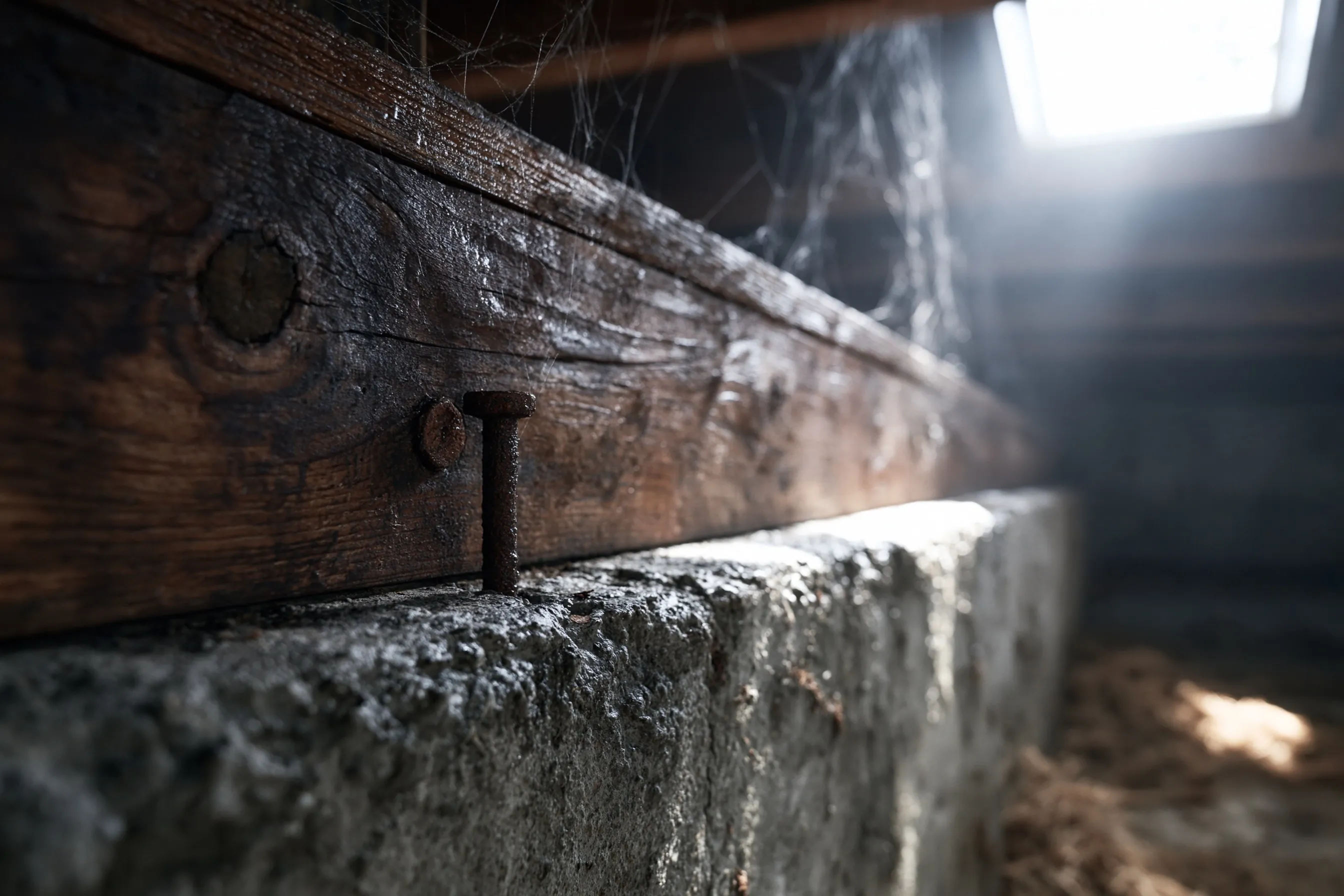
Under-supported joists or girders, a failed post or damp-weakened wood can each do it; a look underneath tells which.
Adding support below a sagging floor does not require raising the house. Nobody can promise that the floor comes back to level afterward.
Building America guidance asks for a sealed ground cover in crawlspaces, vented or not. If bulk water keeps entering, drainage work is still needed; a cover does not replace it.
Sound wood is what bolts need, so a rotted sill is repaired under crawlspace post and beam work before seismic retrofit and foundation bolting. The Seattle Top Foundation Repair home page links to every other service.
Say where the floor dips or springs and how long it has done so. We'll get back to you soon with an estimate or any questions we have. Estimates are free and there's no obligation.
Call (206) 717-8636