
Watching a crack
Mark it, date it, measure it again later. A crack that holds still may need nothing more, and HUD’s inspection guide calls shrinkage cracking rarely serious. Sealing, if it comes, comes after the cause is understood.
Typical cost in Seattle
A foundation crack has to be classified before it is repaired. Seattle Top Foundation Repair first determines whether it is a hairline in a stem wall or a crack that keeps opening, because the two need different handling.
Seattle, Bryn Mawr-Skyway and White Center are served.
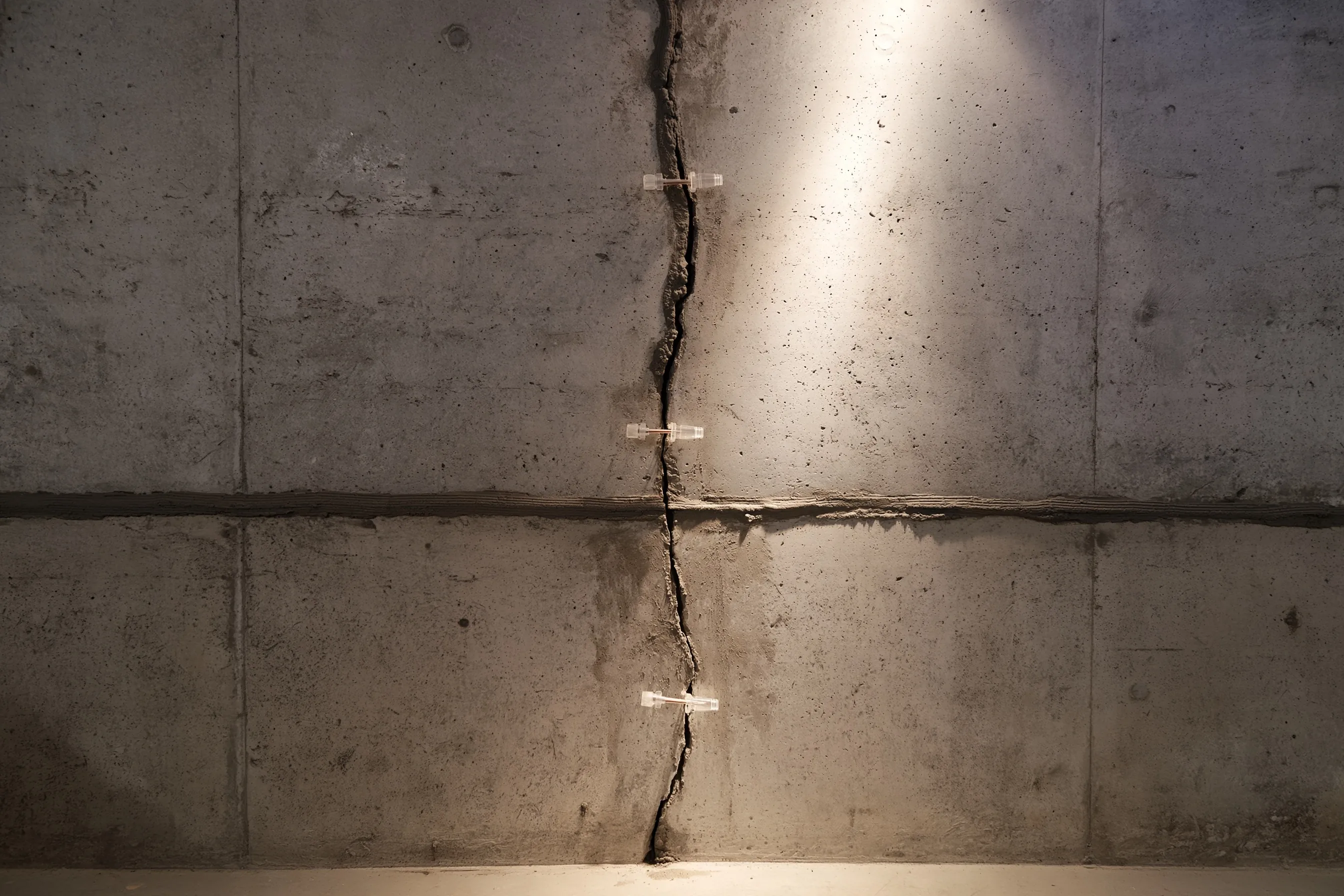
Mark it, date it, measure it again later. A crack that holds still may need nothing more, and HUD’s inspection guide calls shrinkage cracking rarely serious. Sealing, if it comes, comes after the cause is understood.
Epoxy or polyurethane is fed into the crack through ports spaced along a sealed face; those are the two materials people ask about. The cause of the crack, and whether it is still moving, determine whether injection fits at all.
HUD’s rehab guide puts the limit for waterproofing coatings at nonstructural cracks up to 1/16 inch, so a coating can hide a hairline. A crack that continues to move defeats it.
HUD’s inspection guide sorts cracks. Harmless end: shrinkage cracks are rarely serious. Concerning end: tapering cracks can signal differential settlement. Minor settlement cracks harm a building mainly through long-term leakage. In block or brick, sweeping or horizontal cracks may come from improper backfilling, heavy equipment vibration, or the swelling or freezing of saturated soil next to the wall.
Seal a moving crack before knowing why, and the seal may open again. No sealed crack comes with a guarantee that it will stay closed or dry.
Three checks precede sealing: the crack itself, any water coming through, and the soil and gutters outside. Seal a crack while water still pools at the foundation and only the symptom has been treated.
University of Minnesota Extension says foundations of concrete or block usually develop some cracks, and cracks can be severe where joists are not connected to the wall.
HUD’s rehab guide sends questions about the cause of settlement to engineers, structural or geotechnical, with specialist experience. A tapering crack, which HUD links to differential settlement, is one example. That is federal advice and not a Seattle permit requirement.
Where a crack looks to be moving, expect us to suggest an engineer’s opinion before anything is sealed.
SDCI names limited in-kind repair or similar replacement of deteriorated parts among the jobs that usually need no permit, but says its list holds only outside an ECA, and that work on load-bearing supports needs a permit regardless of size. Whether sealing or patching a foundation crack lands on one side of that line is for SDCI to answer, and may depend on what the crack is doing.
For a site with a steep slope, a known or potential slide, liquefaction, landfill or peat settlement, SDCI’s permit pages require a geotechnical report for foundation alterations. The department publishes an ECA map for checking a lot.
Crack repair is priced from the wall and the crack. The drivers:
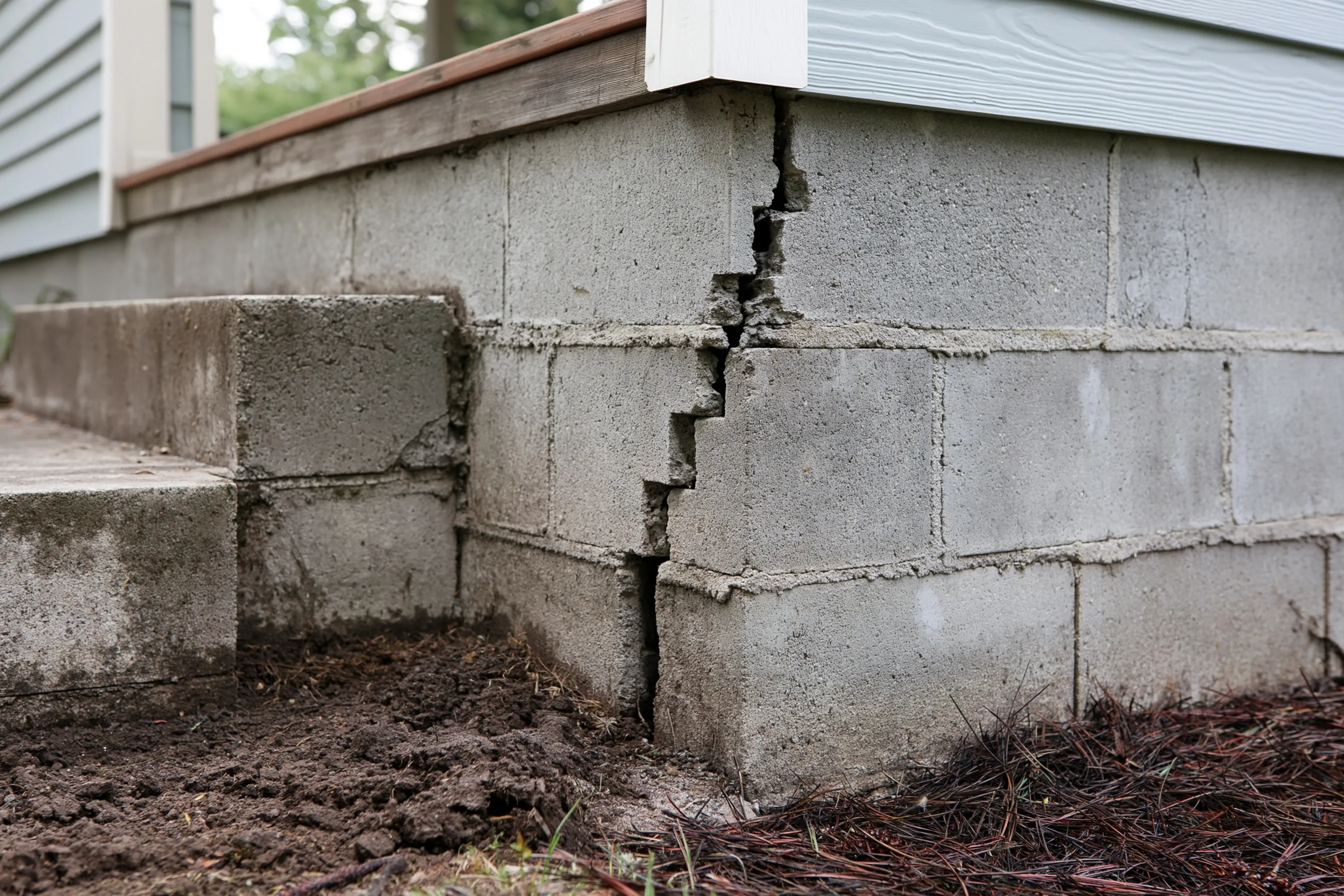
It depends which kind. Holding still, a hairline is one thing. Tapering, running sideways, stepping through block or lengthening means a crack should be inspected.
Inside or outside is decided after the exterior drainage has been checked, because where water enters and what the crack is doing both matter.
Possibly. A wall that keeps shifting, or water that keeps pooling against it, can reopen a seal, so the cause is sought first and no result is guaranteed.
Say whether the crack appeared after heavy rain. Where walls are wet, foundation drainage is the place to start, and where floors slope, foundation settlement and piering is. The rest of the services are on the home page.
Describe the crack: width, location, direction. Has it grown since you first saw it, and does water get through? We'll get back to you soon with an estimate or any questions we have. Estimates are free and there's no obligation.
Call (206) 717-8636